A Sound Argument May Have a False Conclusion
Question 9 An unsound argument may be invalid. A strong argument may have true premises and a probably false conclusion.

Deductive Validity Truth Preserving The Conclusion Logically Follows From The Premises It Is Logically Impossible For The Premises To Be True And The Ppt Video Online Download
If we want a valid argument with a false conclusion we need to negate the claim that all of the premises are true.

. Since a sound argument is valid it is such that if all the premises are true then the conclusion must be true. Here P1 can be true C follows from the Ps validity C can be true but the argument is. Since it is valid the argument is such that if all the premises are true then the conclusion must be true.
By definition a valid argument cannot have a false conclusion and all true premises. As well as arguments that have true premisesconclusion but are invalid we can have arguments that are valid and have a true conclusion but are unsound because a premise is untrue. A sound argument really does have all true premises so it does actually follow that its conclusion must be true.
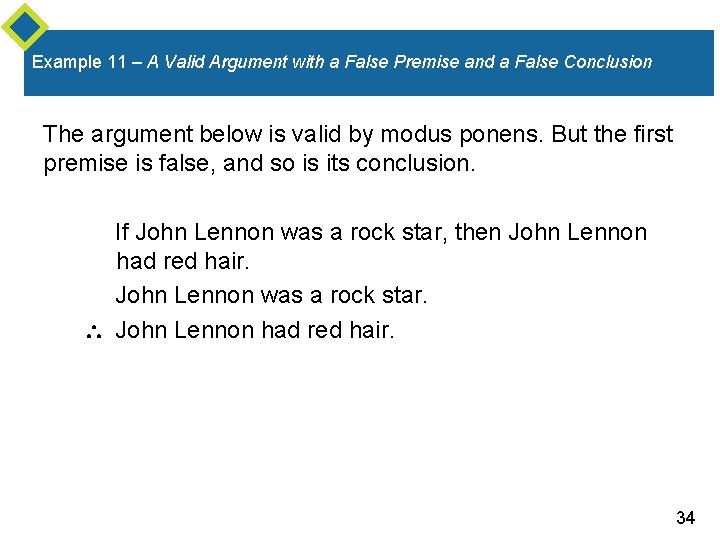
A valid argument may have a false premise and a false conclusion. A valid argument can have a false conclusion True or False. A valid argument can have a true conclusion and false premises see 11.
- Valid arguments are deductive. An argument may legitimately be spoken of as true or false. Logic seeks to discover the valid forms the forms that make.
If an argument is sound then it is valid and has all true premises. A sound argument may have a false premise. All premises are true and conclusion follows from the premises during sound and valid arguments.
Shjsmbee8874 is waiting for your help. Note that in all four of the examples above the conclusion can be true. A sound argument must have a true conclusion.
A sound argument may be invalid. Inductive arguments allow of varying degrees of strength and weakness. Conclusion Indicators consists of words that provide clues in identifying conclusions.
The only combination that is ruled out is a valid argument with true premises and a false conclusion. So if a valid argument has a false conclusion it must have some false premise. Barack Obama is a US president.
Yes you can have a logically valid argument with a false conclusion. A statement may legitimately be spoken of as valid or invalid False. The validity of an argument is not a guarantee of the truth of its conclusion.
A sound argument may have a false conclusion. A valid argument may have a false premise and a true conclusion. Question 8 A sound argument may have a false conclusion.
A valid argument may have a false premise and a true conclusion. A sound argument may have a false premise A sound argument is never deductively valid A sound argument is true A sound argument always has a true conclusion 5 points. P2 All Scots are drunks.
Every US president is a white male. This problem has been solved. When we construct our arguments we must aim to construct one that is not only valid but sound.
Since a sound argument also has all true premises it follows that a sound argument must have a true conclusion. An example is below. And if an argument does not have all true premises then it is not sound.
Even an invalid and unsound argument can have a true statement as its conclusion its just that the conclusion may not follow from the premises or that the premises that the conclusion is. C Craig is a drunk. If a deductive argument has true premises and a false conclusion it is necessarily invalid False A valid argument may have a false premise and a false conclusion.
Proper logic states all valid arguments are sound arguments. All sound arguments are valid arguments. A sound argument is one that is not only valid but begins with premises that are actually true.
Therefore Barack Obama is a white male. If a deductive argument has true premises and a false conclusion it is necessarily invalid. And it can have a false conclusion.
A valid argument may have false premises with either a true or a false conclusion. To do that all we need is for one of those premises to be logically false such as P P. Question 10 Propositions are statements about the world.
If a deductive argument has true premises and a false conclusion then it must be invalid. A sound argument may have a false conclusion. An invalid argument may have true or false premises and a true or false conclusion.
A statement may legitimately be spoken of as valid or invalid. See the answer See the answer See. The validity of an argument depends however not on the actual truth or falsity of its premises and conclusions but solely on whether or not the argument has a valid logical form.
If one of the premises are false then we can have a valid argument with a false conclusion. Premise 1 is false however so the argument is said to be valid and unsound. A cogent argument may have a probably false conclusion.
A sound argument is an argument that is both valid and factually correct. A valid argument may have false premises and a false conclusion. Answer true or false to the following statements.
A sound argument may have a false conclusion. A strong argument may have false premises and a probably false conclusion. - Arguments are valid if the premises lead to the conclusion without committing a fallacy.
2 Multiple Choice Circle all correct answers there will be at least one 1. Valid argument because the conclusion follows logically from the premises. Add your answer and earn points.
If a valid argument has a false conclusion. A valid argument may still have a false conclusion. A cogent argument must be inductively strong.
If an argument has true premises and a true. A valid argument can have false premises. P1 Craig is a Scot.
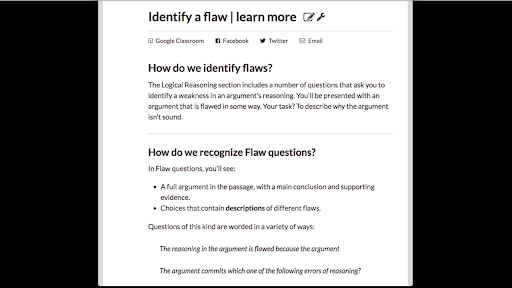
Identify A Flaw Learn More Article Khan Academy

Cogent And Uncogent Inductive Arguments Argument Philosophy Generalizations
Argument From Fallacy Logical Fallacies Fallacy Fallacy Logic
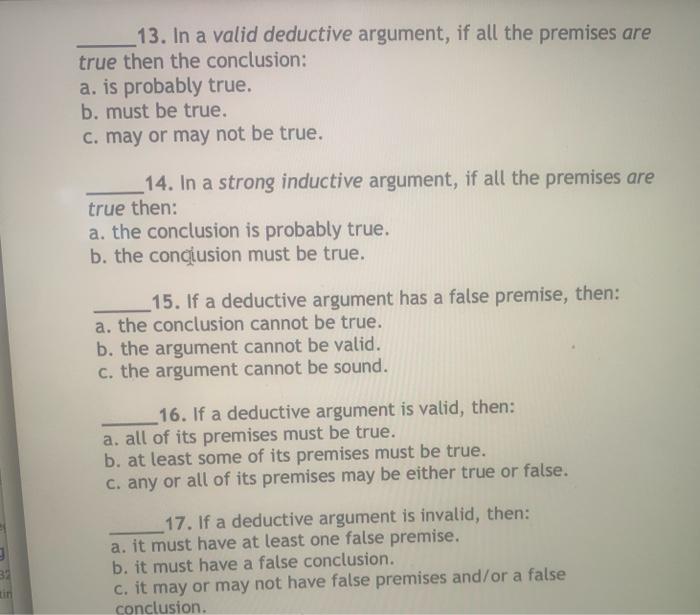
Solved Some Of The Following Arguments Are Deductive And Chegg Com

The Fallacy Fallacy Why Fallacious Arguments Can Have True Conclusions Effectiviology
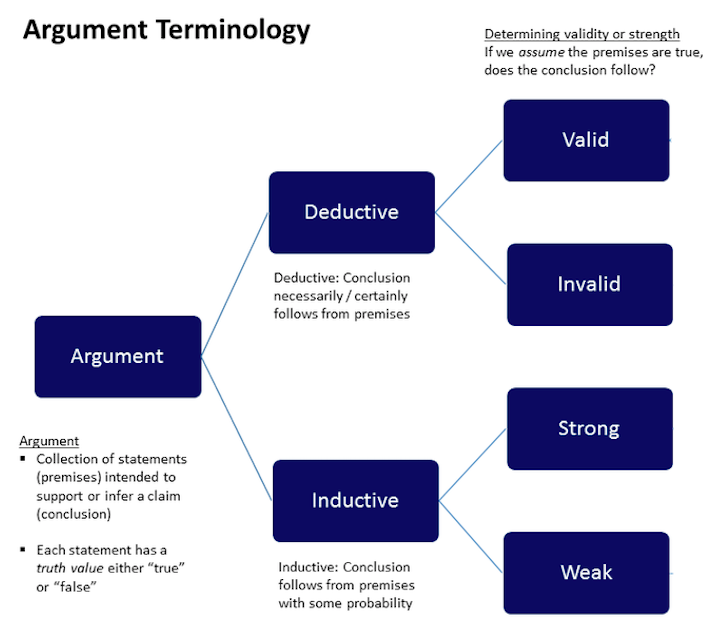
Inductive And Deductive Reasoning English Composition 1
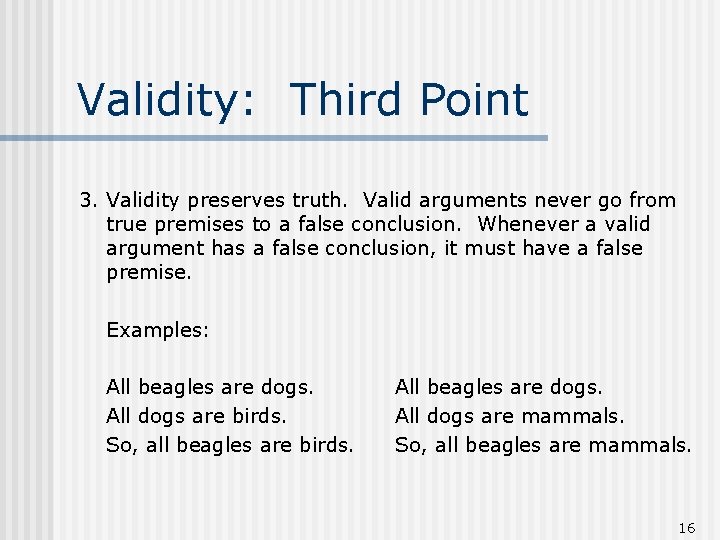
Reasoning And Critical Thinking Validity And Soundness 1
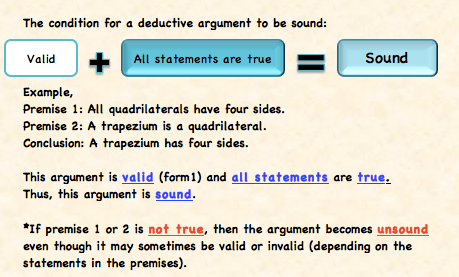
Logical Reasoning Part2 Arguments Quizizz
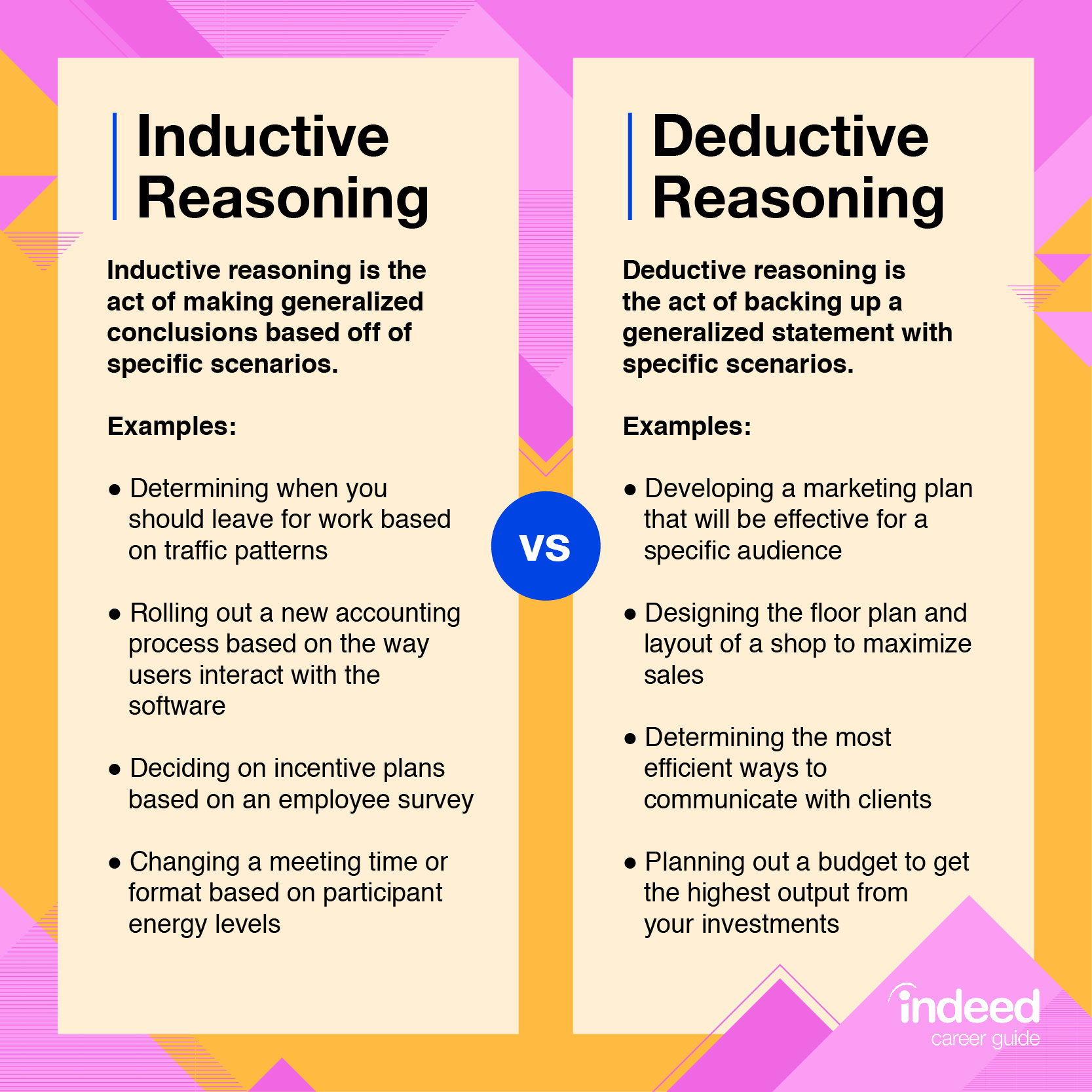
Deductive Reasoning Definition And Examples Indeed Com

Validity Soundness And Cogency Highbrow

Syllogism Deducing True Conclusions Academy 4sc

Sound And Cogent Arguments
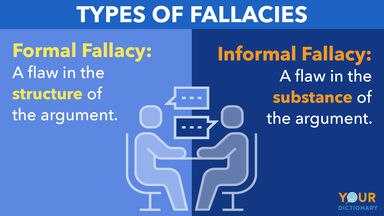
Types Of Logical Fallacies Recognizing Faulty Reasoning
2

Argument From Incredulity When We Dismiss Concepts We Don T Understand Logical Fallacies Persuasive Writing Critical Thinking Skills
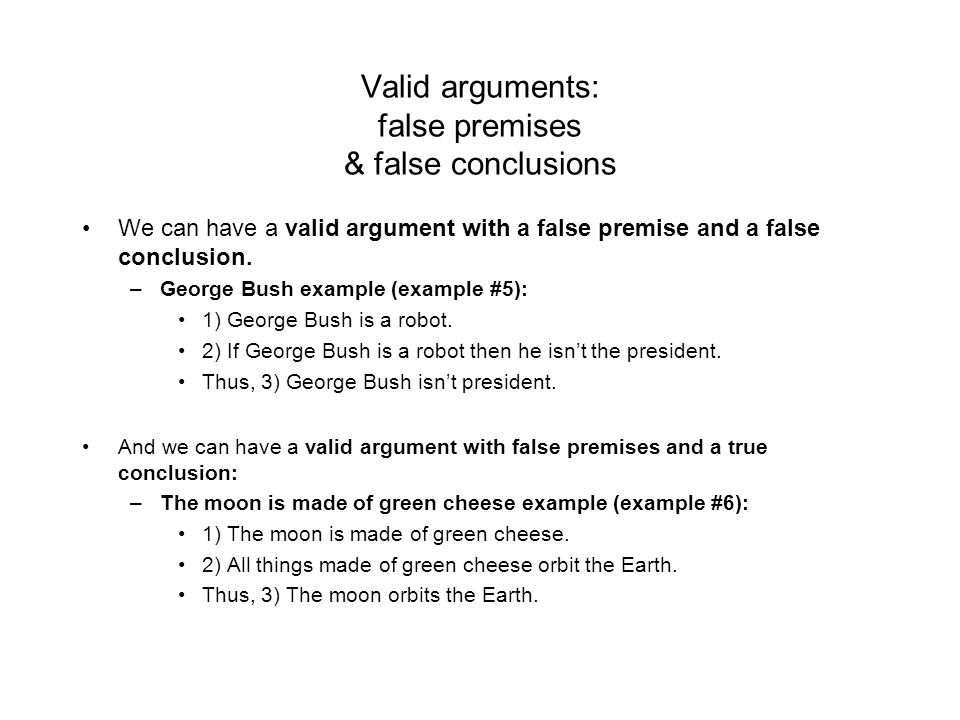
Introduction To Philosophy Lecture 2 A Deeper Look At Arguments Ppt Download
Valid And Invalid Arguments In Mathematics And Logic
4 Strong Versus Weak Arguments The Critical Thinker Academy

Deductive Arguments Software Examples Download Table


Comments
Post a Comment